Why I Learn From Chefs, Not Just Coders
Chef and My Fridge. Culinary Class Wars. I was watching cooking shows and accidentally learning about everything else.
I came across a video by Chef Sung Anh. He said something I've been thinking about since.
“When you think of a chef, people only seem to picture an already successful one. No matter what profession you're in, the process is hidden. But what actually decides the success is the process.”
— Chef Sung Anh
I wasn't thinking about code when I heard it. But I immediately thought about code.
Everything I've learned and built. The subjects I repeated, the bugs I fixed at midnight, the website that broke before it worked. None of that is visible to the people closest to me. Not because they don't care. Because they don't know what they're looking at. They see the grade. They don't see the kitchen.
Chef Sung Anh — The Hidden Process


Sung Anh cooks with no boundaries, no single genre, just what he thinks is the best. The watching competitions like Culinary Class Wars, I noticed that what separates the chefs isn't talent on the day. It's everything that happened before the day. The process nobody filmed.
Chef Son Jong Won — Teamwork Makes the Dream Work


Chef Son Jong Won runs two Michelin-star restaurants at the same time. That doesn't happen alone. What strikes me watching him is how much the kitchen runs on trust. Everyone knowing their role, covering each other, moving together. Teamwork makes the dream work. It sounds simple because it is. But it's also the hardest thing to actually do, in a kitchen or anywhere else.
Chef Choi Hyun Seok — Simple Is Enough
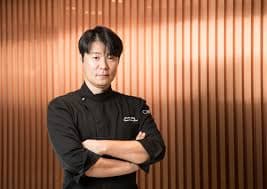
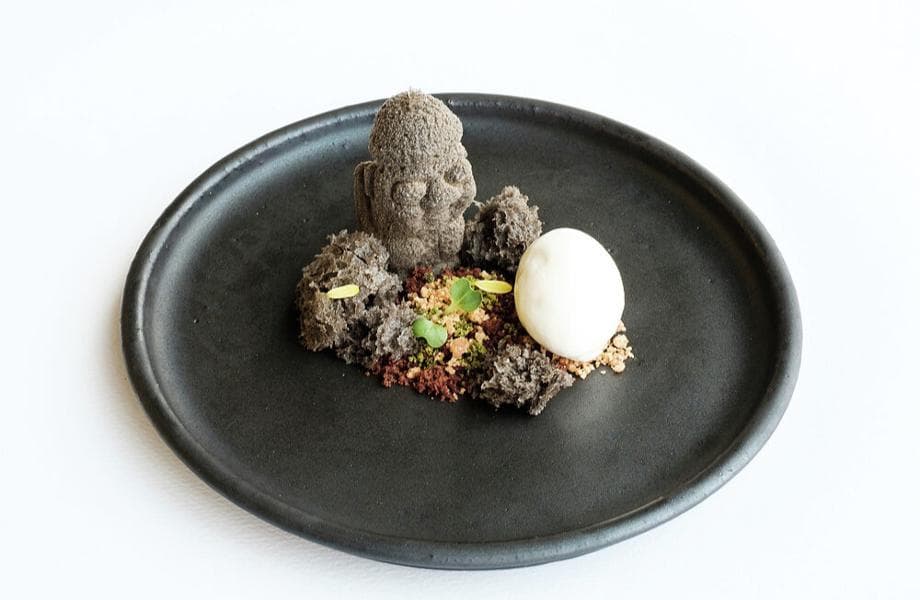
Chef Choi named his restaurant “Choi Dot” — his dishes need no further explanation. Five ingredients, executed perfectly. What I take from that is: sometimes the simplest solution is the most versatile. It shows that you care. Not through complexity, but through precision. You don't need to over-explain or over-build to prove that something matters.
I learn from chefs because the kitchen teaches what the classroom sometimes doesn't — that the process is the work, and the work is always worth doing.
Sources
Continue Reading
I Built This on One Song
Perseverance (in the face of grief) — Hindia, 2025. I wasn't ready for how much I needed it.
What 18,000 Lines Taught Me About Surviving
On building a government system alone, learning by watching, and finishing something when everything in you wants to stop.